
Përtej një dyshimi të arsyeshëm

.jpeg)


Language


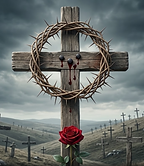


The Sermon on the Mountain

The Sermon on the Mountain
This final diagnostic test goes directly to the heart of the Sermon on the Mount (Matthew 5:1–12). It strips away the passive, poetic veneer that religion often wraps around the Beatitudes, forcing the reader to look into the mirror of the Messiah's opening words and see if their internal condition matches the exact description of a citizen of His Kingdom.
📋 The "Sermon on the Mount" Internal Alignment Test
Instructions: Answer these 8 direct questions based on your true internal state and outward actions to determine if you are bearing the fruit of a true disciple or if you are simply tracking with the crowds.
Question 1: Poor in Spirit vs. Self-Sufficient
The Master states: "Blessed are the poor in spirit, for theirs is the kingdom of heaven." When you look at your life before Yehovah, what is your true spiritual posture?
-
A) You walk in absolute bankruptcy, fully recognizing your total, desperate need for Yehovah to lead you, guide you, and instruct your every step.
-
B) You are spiritually self-sufficient, relying on your own intellect, human doctrines, or a past prayer, assuming you are "good enough" without a daily, broken dependency on Him.
Question 2: Mourning Over Sin vs. Rationalizing Compromise
The Master states: "Blessed are those who mourn, for they will be comforted." How do you respond internally when you realize you have violated the Father's commands or fallen into sin?
-
A) You experience deep, heavy sorrow over your transgression, leading you to an immediate, physical turn (repentance) back to His ways so you can find the true comfort of His forgiveness.
-
B) You shrug it off, minimize it, or claim that "grace covers it" without ever feeling genuine grief or making an effort to stop the behavior.
Question 3: The Meek vs. The Self-Willed
The Master states: "Blessed are the meek, for they will inherit the earth." Meekness is strength under total submission. Who holds the ultimate authority over your time, your money, your diet, and your rest?
-
A) You have fully submitted your neck to Yehovah's yoke. Whatever His Word commands, you do—making Him the absolute Lord over everything you possess.
-
B) You are self-willed. You listen to God's Word only when it matches your existing lifestyle, retaining final veto power over any instruction that requires real sacrifice.
Question 4: Hungering for Righteousness vs. Feasting on the World
The Master states: "Blessed are those who hunger and thirst for righteousness, for they will be filled." What is the driving passion and deepest hunger of your everyday life?
-
A) You passionately long for the righteousness of Yeshua, consuming His Word daily like food and water, desperate to see His character and His Torah reflected perfectly in your walk.
-
B) You are spiritually full and satisfied with the distractions, entertainment, and material comforts of this world, treating the deeper things of scripture as an occasional snack.
Question 5: Merciful vs. Resentful
The Master states: "Blessed are the merciful, for they will be shown mercy." When someone wrongs you or falls short, what is your knee-jerk reaction?
-
A) You actively extend forgiveness, kindness, and compassion, remembering the massive debt of sin the Father forgave you, and you sow mercy so you may reap it.
-
B) You hold grudges, keep tabs on offenses, or harbor bitter resentment, expecting the Father to show you unlimited mercy while you refuse to offer it to others.
Question 6: Pure in Heart vs. Outward Appearance
The Master states: "Blessed are the pure in heart, for they will see Yehovah." Remembering Hebrews 12:14 ("Without holiness, no one will see Yehovah"), what does your life look like when no human being is watching?
-
A) You pursue inward holiness that only Yehovah can see, begging Him to cleanse your hidden motives, your thoughts, and your desires from the inside out.
-
B) You focus entirely on outward appearance. You put on a good show for people at church or online, but your hidden thought life remains uncleaned and full of compromise.
Question 7: Peacemakers vs. Divide-and-Conquer
The Master states: "Blessed are the peacemakers, for they will be called sons of Yehovah." How do you handle the ministry of reconciliation (2 Corinthians 5:19–20)?
-
A) Having been reconciled to the Father through Yeshua, you actively bring that exact message of truth, repentance, and restored covenant fellowship to the people around you.
-
B) You cause division, spread gossip, or remain completely silent about the Messiah, leaving the people in your life disconnected from the only source of true peace.
Question 8: Persecuted for Righteousness vs. Hiding the Light
The Master states: "Blessed are those who are persecuted because of righteousness... Blessed are you when people insult you... because of me." What happens when your obedience to scripture causes friction with family, friends, or the culture?
-
A) You dare to openly live exactly as Yeshua lived, counting it a joy and a privilege to face insults, exclusion, or false accusations for the sake of His name and His truth.
-
B) You hide your faith, adjust your language, or compromise on the commandments to blend in, ensuring you never face discomfort, social rejection, or pushback from the world.
-
The Kingdom Verdict: Look back over the eight boxes you checked. If the answers land consistently on B, the mirror reveals a sobering truth: The crowd followed Yeshua for the miracles, but only the disciples climbed the mountain to live by His words.
You cannot inherit the Kingdom of Heaven if you reject the internal alignment required of its citizens. The Beatitudes are not a list of optional suggestions; they are the baseline character of the remnant. To claim to follow the Messiah while refusing to walk in His meekness, His purity, and His willingness to suffer for righteousness is to remain outside the gate. The choice to step onto the mountain and obey is yours today.
Matthew 5:3-12
By Mary Fairchild
The Beatitudes give us a picture of a true disciple of God
.
Blessed are the poor in spirit, for theirs, is the kingdom of heaven. The phrase
"poor in spirit" speaks of a spiritual condition of poverty. It describes the person who recognizes his or her need for Yehovah. "The kingdom of heaven" refers to people who acknowledge Yehovah as King.
Paraphrase: "Blessed are those who humbly recognize their need for Yehovah, for they will enter into his kingdom."
Blessed are those who mourn, for they will be comforted. "Those who mourn"
speaks of those who express deep sorrow over sin and repent for their sins. The freedom found in forgiveness of sin and the joy of eternal salvation is the "comfort" of those who repent.
Paraphrase: "Blessed are those who mourn for their sins, for they shall receive forgiveness and life eternal."
Blessed are the meek, for they will inherit the earth. Similar to "the poor," "the meek" are those who submit to Yehovah’s authority and make Him Lord. Revelation 21:7 says Yehovah’s children will "inherit all things."
Paraphrase: "Blessed are those who submit to Yehovah as Lord, for they will inherit everything he possesses."
Blessed are those who hunger and thirst for righteousness, for they will be filled. "Hunger" and "thirst" speak of deep need and driving passion. This "righteousness" refers to Yeshua Messiah. To "be filled" is the satisfaction of our soul's desire.
Paraphrase: "Blessed are those who passionately long for Christ, for he will satisfy their souls."
Blessed are the merciful, for they will be shown mercy. We reap what we sow.
Those who demonstrate mercy will receive mercy. Likewise, those who have received great mercy will show great mercy. Mercy is shown through forgiveness, kindness, and compassion toward others.
Paraphrase: "Blessed are those who show mercy through forgiveness, kindness, and compassion, for they will receive mercy."
Blessed are the pure in heart, for they will see Yehovah. The "pure in heart" are those who have been cleansed from within. This is not outward righteousness that can be seen by men, but inward holiness that only Yehovah can see. The Bible says in Hebrews 12:14 that without holiness, no one will see Yehovah.
Paraphrase: "Blessed are those who have been purified from the inside out, being made clean and holy, for they will see Yehovah."
Blessed are the peacemakers, for they will be called sons of Yehovah. The
The Bible says we have peace with Yehovah through Yeshua Messiah. Reconciliation through Christ brings restored fellowship (peace) with Yehovah. 2 Corinthians 5:19-20 says Yehovah entrusts us with this same message of reconciliation to take to others.
Paraphrase: "Blessed are those who have been reconciled to Yehovah through Yeshua Messiah and bring this same message of reconciliation to others. All who have peace with Yehovah are his children."
Blessed are those who are persecuted because of righteousness, for theirs is the kingdom of heaven. Just as Yeshua faced persecution, so will his followers. Those
who endure by faith rather than hide their faith to avoid persecution are genuine followers of
Yeshua.
Paraphrase: "Blessed are those daring enough to openly live as and for Yeshua and suffer persecution, for they will receive the kingdom of heaven."Blessed are you when people insult you, persecute you, and falsely say all kinds of evil against you because of me. Rejoice and be glad, because great is your reward in heaven, for in the same way they persecuted the prophets who were before you. Matthew 5:11